
Destinations & itineraries · 03 Jun 2026 · 9 min read
Cousin Island in the Seychelles: the reserve that saved the Seychelles warbler
Cousin Island is a 27-hectare special nature reserve, 2 km off the west coast of Praslin. Managed by Nature Seychelles since 1998, the national partner of BirdLife International, it is home to five land bird species endemic to the Seychelles and is the main nesting site of the hawksbill turtle in the western Indian Ocean. […]
Cousin Island is a 27-hectare special nature reserve, 2 km off the west coast of Praslin. Managed by Nature Seychelles since 1998, the national partner of BirdLife International, it is home to five land bird species endemic to the Seychelles and is the main nesting site of the hawksbill turtle in the western Indian Ocean. The visit is always guided by the reserve rangers, open Monday to Friday from 9:45 am to 12:30 pm. It is one of the most intense wildlife experiences in the entire archipelago.
What is Cousin Island and why is it protected?
Cousin Island is one of the first island reserves in the world to be bought for the purpose of conservation. In 1968, the International Council for Bird Preservation, now BirdLife International, acquired the island to save the Seychelles warbler from imminent extinction. Before that, Cousin was a coconut and cinnamon plantation, hostile to the endemic birds. In 1974, the Seychelles government officially classified the island and the 400 metres of surrounding sea as a Special Reserve. Since 1998, the national NGO Nature Seychelles has handled its day-to-day management.
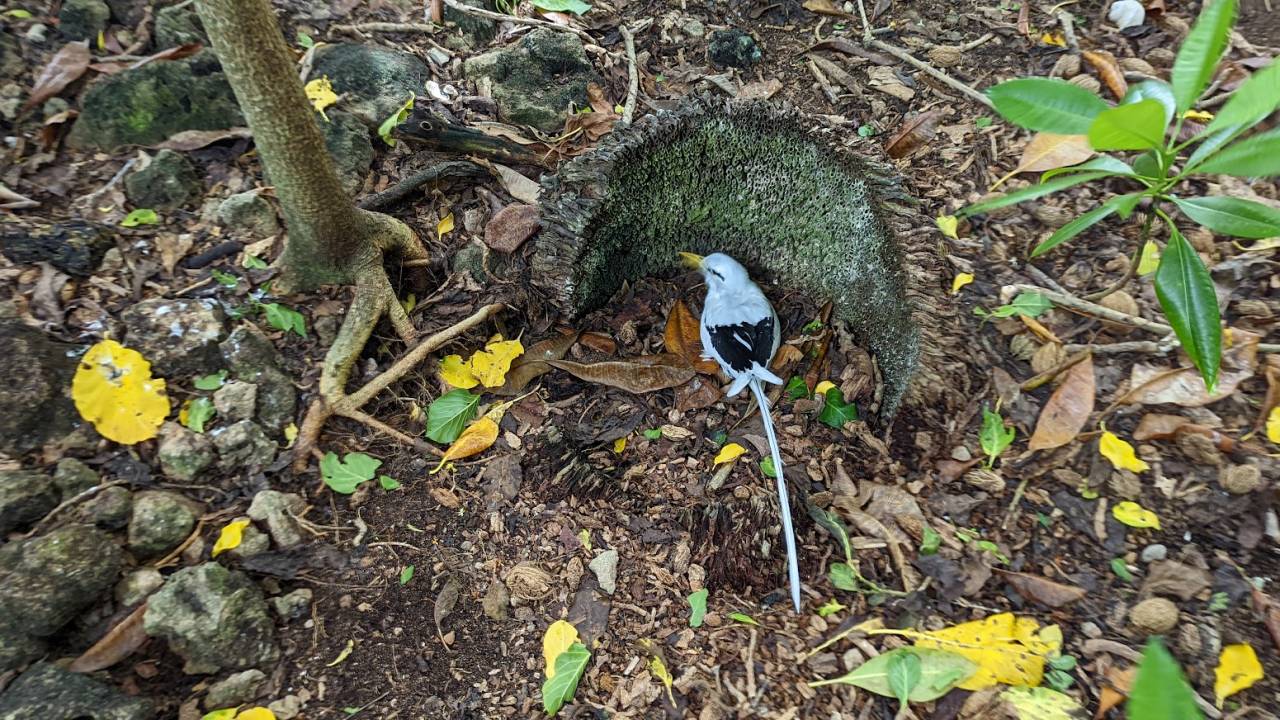
The success of this conservation rests on a simple but demanding principle: the total eradication of introduced species. Cats, rats and mice were eliminated, allowing the native vegetation to reclaim its place. In 2010, Nature Seychelles achieved a historic certification: Cousin became the first carbon neutral island nature reserve in the world, through the Carbon Clear programme. The 27-hectare area conceals exceptional biodiversity, structured on a granite plateau whose highest point reaches 69 metres.
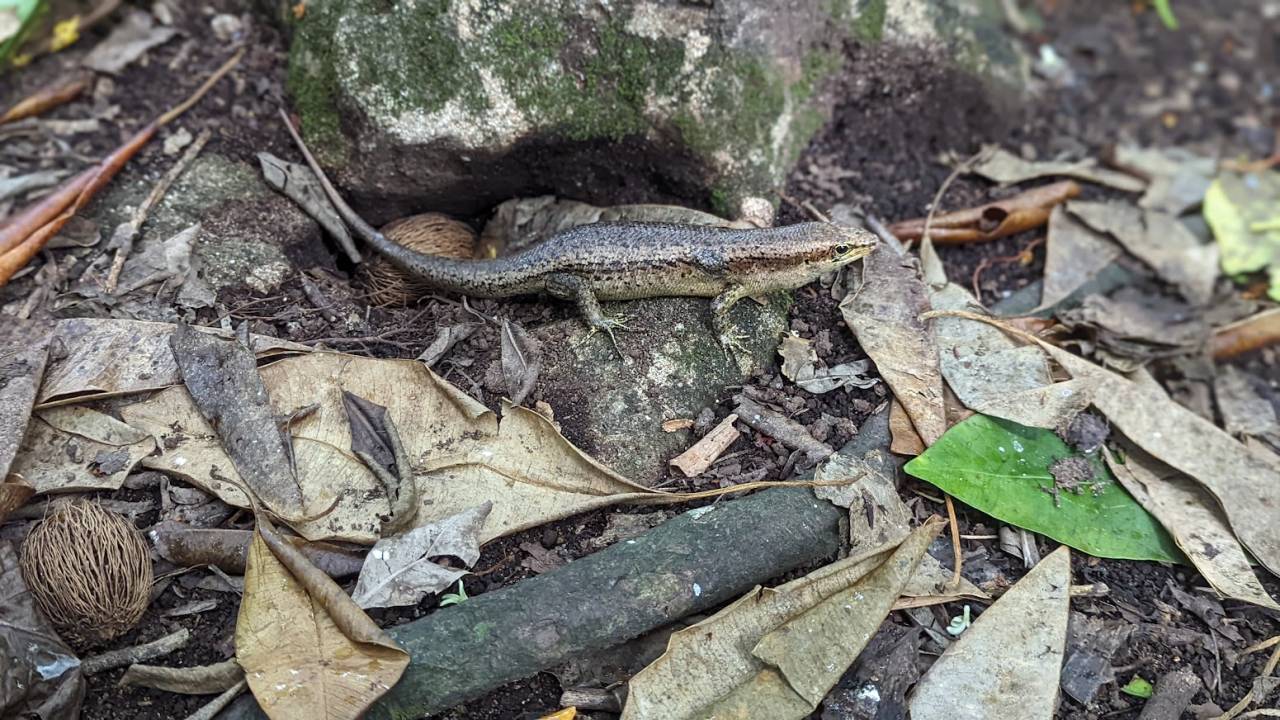
Which birds can you observe on Cousin Island?
Cousin Island is home to five of the eleven land bird species endemic to the Seychelles and seven nesting seabird species, for a total of around 300,000 individuals. When setting foot on the island, visitors are often surprised by the density: the birds do not flee, used to the absence of predators. The Nature Seychelles rangers lead the visit and make it possible to identify the species precisely.
The Seychelles warbler, the bird that changed everything
The Seychelles warbler (Acrocephalus sechellensis) is the reason Cousin Island exists as a reserve. In 1959, the world population of this species was estimated at 26 individuals, all confined to Cousin in a degraded mangrove habitat. The decision to buy the island and restore the native forest, mainly the Pisonia grandis, produced spectacular results: by 1982, around 320 adults were counted. Today, the population exceeds 3,000 individuals spread across five islands: Cousin, Aride, Cousine, Denis and Frégate. BirdLife International reclassified the species from “Critically Endangered” to “Near Threatened” in 2015 - one of the rare positive reclassifications in the history of modern conservation.
The other endemic land species
Cousin is home to four other land species endemic to the Seychelles that are easily observed during the guided visit. The Seychelles fody (Foudia sechellarum), with its bright russet plumage, is everywhere. The Seychelles magpie robin (Copsychus seychellarum), the Seychelles sunbird (Nectarinia dussumieri) and the Seychelles blue pigeon (Alectroenas pulcherrima) complete this group. These five land species share the island in a closeness that makes observation accessible even to non-birdwatchers.
The nesting seabirds
Seven seabird species nest on Cousin Island. The white tern, known as the Fairy Tern (Gygis alba), and the white-tailed tropicbird nest all year round. The brown noddy, the lesser noddy and the bridled tern breed in distinct seasons. The wedge-tailed shearwater (Ardenna pacifica) breeds from October to March. In total, these 300,000 birds make Cousin one of the most important seabird sites in the western Indian Ocean.
Why is Cousin Island essential for hawksbill turtles?
Cousin is the main nesting site of the hawksbill turtle (Eretmochelys imbricata) in the western Indian Ocean. The species has been classified as “Critically Endangered” by the IUCN since 2008, with a world population estimated at fewer than 25,000 breeding females. What sets Cousin apart from other nesting sites: the turtles come to nest there during the day, which is rare. A female can return to nest up to six times per season, at intervals of about 15 days, before disappearing out to sea for three years.
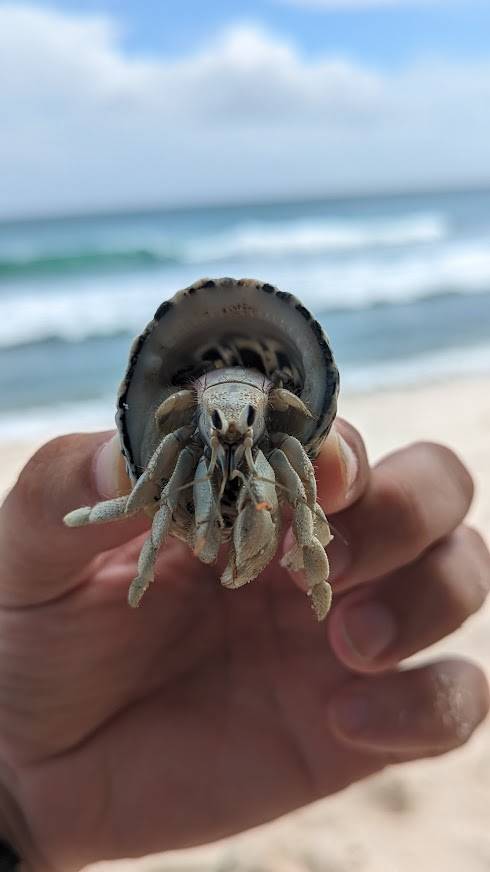
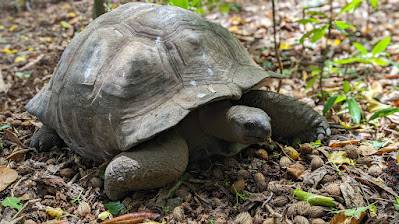
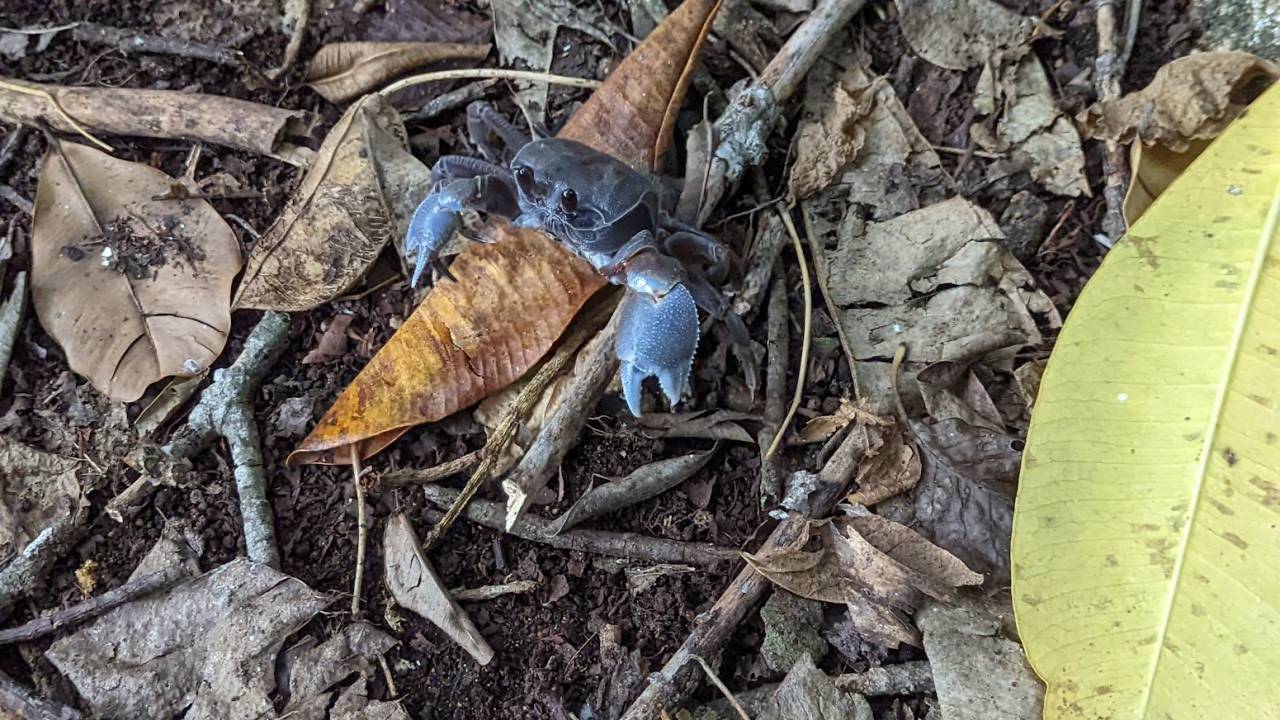
Egg incubation lasts between 45 and 80 days. Depending on the season, visitors can observe either the nesting or the emergence of the young turtles on the island’s beaches. The Aldabra giant tortoises (Aldabrachelys gigantea) also roam freely around the reserve, adding a further dimension to the visit. The reefs surrounding Cousin also display one of the highest fish biomasses of the granitic islands of the Seychelles, protected by the 400-metre marine zone. From the deck of a catamaran anchored in the waters of Praslin, watching a turtle make its way slowly up to the beach of Cousin in the early morning is one of the most lasting images of a cruise in the archipelago.
How can you visit Cousin Island from Praslin?
A visit to Cousin Island is only possible through licensed operators departing from Praslin, 2 km away. The island is open Monday to Friday from 9:45 am to 12:30 pm, closed on weekends and Seychelles public holidays. The hotels and agencies of Praslin offer supervised excursions to the reserve. The visit lasts 75 to 90 minutes, fully guided by the Nature Seychelles rangers.
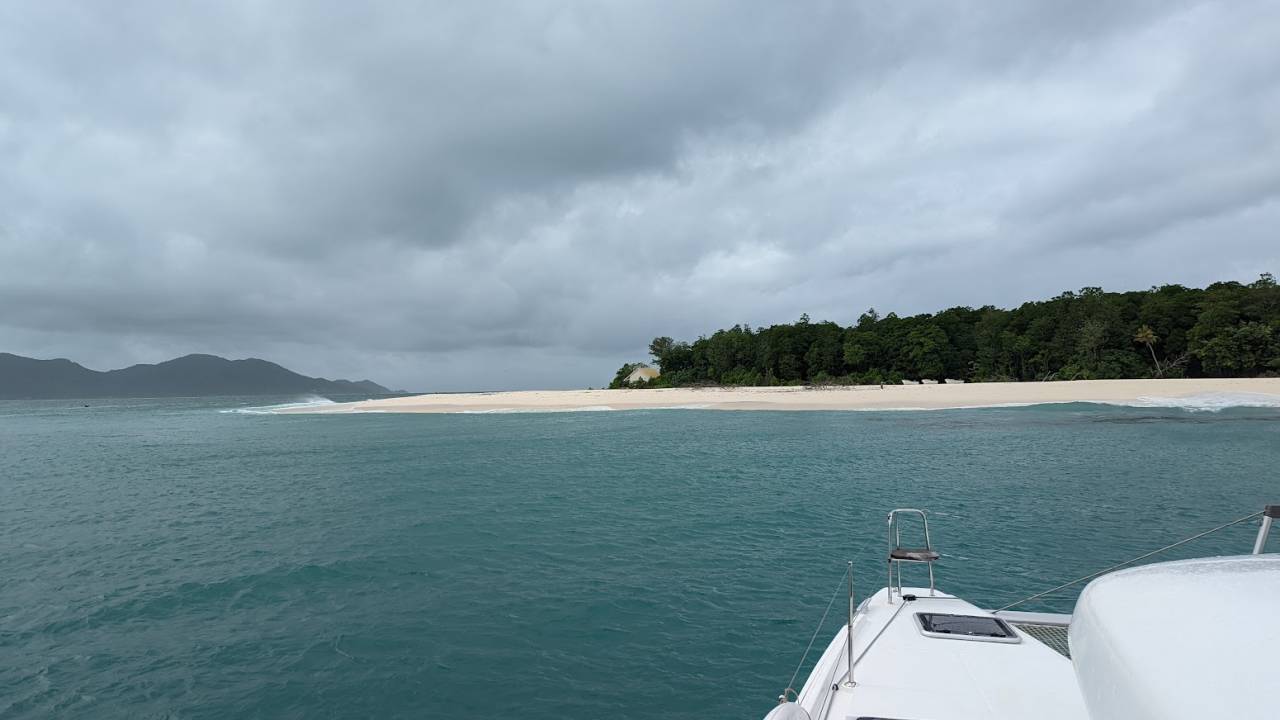
The most important thing to anticipate: your vessel cannot land directly on the island. For biosecurity reasons, visitors are transferred onto the reserve’s boats before reaching land. This measure aims to prevent the accidental introduction of harmful species. If you are sailing on a catamaran, your tender reaches the transfer point, then the reserve teams take you to the beach.
The official entrance fee is SCR 600 for non-residents and SCR 300 for residents. Entry is free for children under 12. These amounts go directly to the conservation projects of Nature Seychelles. The crossing fare from Praslin is added depending on the operator chosen. On the island, no comfort facilities are available: bring water, sunscreen and mosquito repellent. Swimming, smoking, picnicking, flash photography, tripods and collecting natural items are strictly prohibited.
For a catamaran crew, a stop at Cousin fits naturally into the morning: an early departure from the Praslin anchorage, transfer to the reserve at opening time, return on board before noon. The afternoon then frees you up to reach Curieuse or Saint-Pierre.
Which other reserves can you visit around Cousin from a catamaran?
Cousin is ideally visited in combination with Curieuse and the islet of Saint-Pierre. These three sites, only a few nautical miles apart, form the natural itinerary of a day by catamaran departing from Praslin. Curieuse Island is home to a population of semi-wild Aldabra giant tortoises and the ruins of a former 19th-century leper colony - a striking contrast with the wildlife purity of Cousin. Our article on the turtles of Curieuse Island details this unmissable stop.
On the heights of Praslin, the Fond Ferdinand reserve protects the endemic palm forest of Praslin, listed as a UNESCO World Natural Heritage Site - a land itinerary that ideally complements the marine stops. Cousine Island, not to be confused with Cousin, is a private luxury island about 2 km away, not accessible for the standard tourist visit. Further north, Aride Island, about ten nautical miles away, is an even larger bird reserve, accessible for part of the year.
To explore these reserves in the best conditions, a catamaran cruise from Mahé or Praslin offers a freedom of stops that a hotel cannot provide. Sailoe organises catamaran cruises in the Seychelles with a crew, fitting these wildlife stops into the programme according to the season and conditions. See our Seychelles programmes to build your tailor-made itinerary, with a personalised quote within 24 hours.
Frequently asked questions about Cousin Island in the Seychelles
How do you get to Cousin Island from Praslin?
Cousin Island is only accessible by boat from Praslin, 2 km away. The visit must go through a licensed operator, hotel or agency on Praslin. For biosecurity reasons, visitors are transferred onto the reserve’s vessels before landing. The crossing takes about 10 minutes. The island is not accessible directly by private boat.
Which days and at what times can you visit Cousin Island?
Cousin Island is open Monday to Friday only, from 9:45 am to 12:30 pm. It is closed on weekends and Seychelles public holidays. The guided visits last 75 to 90 minutes, led by the Nature Seychelles rangers.
How much does a visit to Cousin Island cost?
The official entrance fee is SCR 600 for non-residents and SCR 300 for residents. Entry is free for children under 12, residents and non-residents. This amount is paid towards the conservation projects of Nature Seychelles. The boat crossing fare from Praslin is added depending on the operator chosen.
What is the best season to visit Cousin Island?
Cousin Island is accessible all year round. The nesting birds are present permanently. For hawksbill turtles, nesting can be observed throughout the year with varying peaks depending on the season. The best weather conditions in the Seychelles are from April to mid-June and from September to November: calm seas, moderate winds - the two ideal between-seasons for sailing by catamaran in the archipelago.
Can you swim or dive around Cousin Island?
Swimming on the island’s beaches is prohibited during the guided visit. The waters surrounding Cousin benefit from a 400-metre protected marine zone. These reefs display one of the highest fish biomasses of the granitic islands of the Seychelles. By catamaran, a snorkeling session can be arranged in the neighbouring waters, outside the 400 regulated metres.
Cousin Island or Cousine Island - what is the difference?
Cousin and Cousine are two distinct islands, often confused. Cousin Island is the special nature reserve managed by Nature Seychelles, open to visitors Monday to Friday. Cousine Island, about 2 km away, is a private luxury island with exclusive accommodation, not accessible for the standard tourist visit. When you book an excursion, checking the exact name with your operator avoids any disappointment.
Read also · Destinations & itineraries
Related articles
The Bay of Les Saintes, Seen From a Catamaran That Stays the Night
The Bay of Les Saintes, south of Guadeloupe between Terre-de-Haut and Terre-de-Bas, is usually visited in three hours, squeezed between two shuttle…
Where to Dive in the Seychelles on a Catamaran Cruise?
From a catamaran at anchor, scuba diving in the Seychelles is possible at dozens of sites around Mahe, Praslin and La Digue,…
Wingfoiling in the Seychelles: spots, winds and best season
The Seychelles offer an ideal window for wingfoiling from June to September, driven by the south-east trade winds that blow between 15…
Got a project in mind?
Our team is here to help
30 years of expertise, 5 physical bases, our own fleet. We reply within 24h.
Start the conversation